
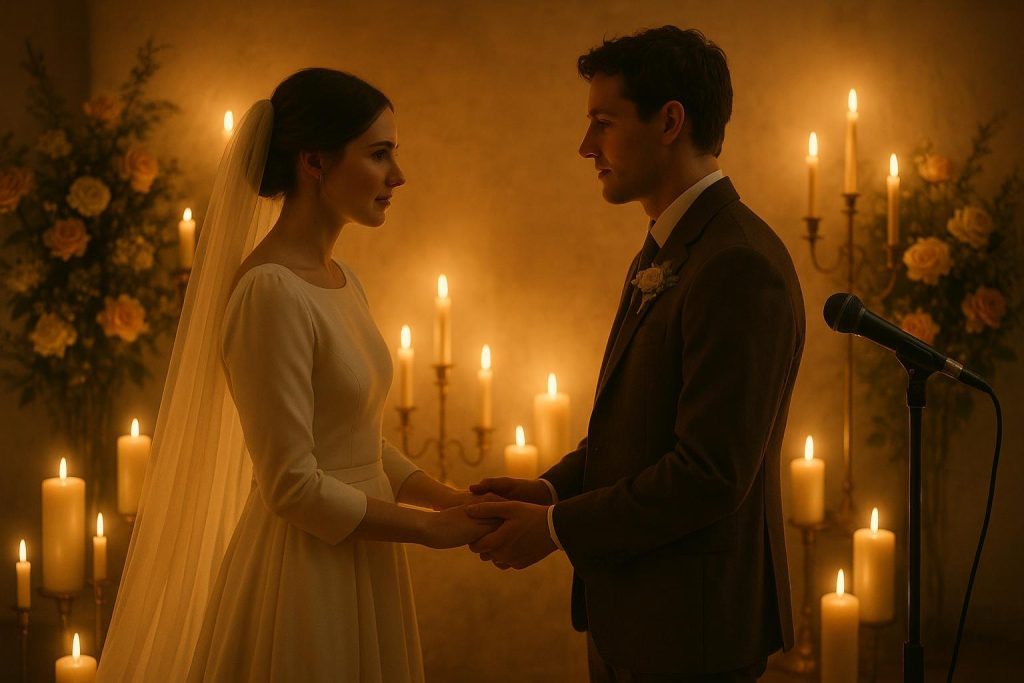
Capturing Clear Audio for Your Wedding Vows
There is a certain magic that happens when two people share their vows on their wedding day—an exchange of promises and emotion that can be one of the most memorable moments of the entire celebration. While photography can capture the visual splendor, the sound of your own voices is what breathes life into those memories in the years to come. Recording audio for your wedding vows ensures you can hear every promise and pledge, preserving not just the way you looked, but how you felt in that moment. Whether your ceremony is in a grand cathedral or a quiet outdoor setting, having high-quality vow recordings is well worth the preparation. This guide will walk you through everything you need to know, from choosing the right microphones to layering audio in post-production, so you can relive your heartfelt words for a lifetime.
Why It Matters to Capture Vows Clearly
Your vow exchange is likely the most intimate and meaningful part of the wedding day. When you watch your wedding film later, you will want to hear the quiver in your voice, the joyful laughter, or the gentle pauses as you speak those sacred promises. Crisp audio is the difference between truly feeling those emotions again or simply watching your lips move. Good audio also allows you to share this moment with loved ones who might not have been able to attend in person. Ultimately, recording wedding vows is about preserving some of the most authentic expressions of love you will ever speak.
Choosing the Right Microphone Setup
Picking the proper gear is key to capturing clear and warm-sounding vows. A popular option is to use a wireless lapel microphone (often called a lavalier or lapel mic). This type of mic can be discreetly clipped to the groom’s lapel, the bride’s dress, or even hidden under a flower. By placing the microphone close to your mouth, you minimize ambient noise and echo.
However, lapel mics are not the only solution. Handheld microphones can work well if they’re already part of the ceremony setup and you do not mind holding them. You can also place a small recorder on a podium or a nearby table if you have a stand-alone reading area. Many officiants have their own microphone connected to a venue’s sound system, creating another potential audio feed. Consider using multiple microphones so you have a backup if one source fails. Redundancy can save the day if a battery dies or a wireless signal drops.
Setting Up and Testing Equipment
Preparation makes a world of difference. To avoid static, distortion, or abrupt microphone cutouts, it is wise to run a thorough sound check before the guests arrive. If possible, do a quick rehearsal in the actual ceremony space, speaking at a normal volume to gauge how your voice carries. This can be as simple as placing a recorder in the front row and doing a few lines of your vows.
If you or your videographer uses a wireless lapel mic, confirm that there is no interference from other devices such as venue Wi-Fi transmitters or officiant equipment. If you are wondering whether a videographer can also film the wedding rehearsal if needed, scheduling that extra coverage gives you even more opportunities to test and perfect your audio setup.
Indoor Acoustics and Echo
Indoor venues—be they churches, ballrooms, or historic mansions—often have distinct acoustics that can affect how your vows sound. Large, open spaces or rooms with marble floors can create echo and reverberations. If you notice too much echo, you might consider hanging decorative drapery or using floral arrangements to subtly dampen sound reflections. Check if your officiant is using a house sound system and whether that system can provide a direct audio feed to your videographer. This is helpful if you want consistent volume levels, especially when multiple speakers are involved.
A thorough sound check will reveal any problem areas. Stand at the altar and speak the way you will during the ceremony, then listen back to the recording. Make small adjustments, like shifting the lapel mic or ensuring the officiant’s system is set to an appropriate volume. Paying attention to these details helps you capture the emotional weight of your words without distracting echoes.
Managing Outdoor Challenges
If your ceremony takes place outdoors, the beauty of nature can also bring challenges like wind, distant traffic, or rustling trees. Fortunately, there are simple ways to handle this. First, use a windscreen (also known as a wind muff) on any exposed microphone. This small foam or furry covering blocks the harsh crackling sound caused by gusts of wind.
Another tactic is to face in a direction that naturally shields the microphone from strong breezes. If possible, tuck a small recorder behind floral arrangements so it stays protected from direct wind. Encouraging your guests to remain quiet during the vows also helps reduce background noise on the final recording. Outdoor ceremonies feel fresh and alive, and thoughtful audio preparation ensures the vivacity of the environment does not overpower your voices.
Achieving Balanced Volume Levels
You might dream of a crystal clear recording only to discover that the officiant sounds booming while your own voice is soft and distant. Balance is everything when it comes to vow audio. Many couples rely on professional videographers who record from multiple sources: one mic for the bride and groom, one for the officiant, and perhaps a backup capturing the ambient sound of the crowd. Later in post-production, all these audio tracks can be synchronized and adjusted, ensuring that each speaker’s words are audible.
If you have a DJ or a band providing a sound system, coordinate with them. DJs often have experience balancing volumes for ceremonies, so they can work alongside your videographer to create an even audio mix. Also, consider how your music transitions in and out. If you are curious about blending music seamlessly into your ceremony, check out how to incorporate music into a wedding ceremony for ideas on making sure vocals and instrumentals do not clash during your vows.
Using Multiple Audio Sources
Redundancy is one of the best ways to guarantee you get the best vow recordings. A single microphone on the groom might fail at a crucial moment, or the officiant’s system could unexpectedly cut out. By having more than one recording source, you significantly reduce the risk of losing these precious words. For instance, if you both wear discreet lapel mics, plus you have an ambient recorder near the front row, you will have three potential audio tracks to pull from in post-production. This layering method also allows your filmmaker or editor to create a more immersive soundtrack, capturing a sense of the crowd’s reaction at times while keeping your voices front and center.
Adding a small handheld recorder in your bouquet, jacket pocket, or even on a stand nearby can be a practical solution. As long as it is secure, turned on, and protected from wind or fabric rustling, you might be surprised how effectively a little pocket recorder can capture natural audio without complicating your day.
Syncing and Editing in Post-Production
Professional videographers often use editing software that allows them to align multiple audio tracks with the footage. By matching a visual cue—like the moment you begin speaking or a distinct sound—post-production teams can layer and balance each track. The result is a warm, crisp soundtrack to your wedding vows that eliminates sudden audio spikes or background chatter. Many couples worry about hearing their voices amplified, but in a thoughtfully produced wedding film, your words stand out in a way that complements the visuals. If you would like more insight into how vow recordings fit into the bigger picture of your film, check out what a wedding video should include to see how all these elements come together.
During editing, unwanted distortions, background hum, or minor wind noise can be reduced with filters and adjustments. Skilled audio mixers also have techniques for removing constant low-level static and smoothing out abrupt volume changes, so your vows sound natural from start to finish.
Preserving Emotion with Additional Narration
Some couples choose to record voiceovers or additional narration to accompany visuals filmed before or after the ceremony. This can be a powerful way to personalize your wedding film, letting you reflect on your journey together or provide extra context to the day’s events. Although this might not be a traditional approach, layering in personal reflections can turn your completed film into an even more meaningful keepsake.
If you are also wondering about other ways to document meaningful moments, you may be interested in discussing extra touches like pre-wedding interview sessions or capturing unexpected moments during candid interactions. These additions can weave seamlessly with your vow recordings, emphasizing the story that led you to the altar. You will find this approach helps create a cohesive narrative, rather than just a highlight reel of separate events.
Navigating Nerves and Performance Anxiety
It is natural to feel some nerves about speaking your vows, especially on camera. However, try to remember that honest, heartfelt words resonate most powerfully. Even if you stumble on a word or need to pause for a tear, it is part of your authentic experience. A calm, comfortable environment can help reduce anxiety. Communicate any fears you have to your videographer or sound technician—they are generally prepared to handle small mistakes and might even have tips to help you feel at ease.
Also, consider a brief run-through of your vows beforehand. A quiet room or a secluded space in the venue is perfect for this, giving you a moment to find your voice and steady your breathing. When the big moment comes, slow down, make eye contact with your partner when you can, and trust that the microphones and the videographer are capturing every heartfelt pause and joyful laugh.
Bringing Your Story Together
If your vows are the biggest emotional anchor of your wedding film, you might want to integrate them with other parts of your celebration. Maybe you include readings, special songs, or a family member’s blessing during the ceremony. If you integrate these various elements thoughtfully, your wedding film can become a tapestry of your relationship rather than just a simple event recap. If you are curious about weaving special songs or readings into your day, you might also explore how to introduce readings in a wedding ceremony so everything feels cohesive.
Many couples cherish the final, fully edited film not just for the visuals, but for the way each audio track complements the memories they see on screen. Some even find their vows more powerful in retrospect, as life unfolds and these spoken words become a reminder of the day they promised forever. Capturing your vows, then, is about more than making a great video—it is about holding onto the heart of your commitment for the rest of your lives.
The Value of Professional Guidance
While personal recording devices have come a long way, having a professional capture and master your vow recordings still brings undeniable advantages. Experienced videographers know how to operate backup equipment, mitigate unexpected technical glitches, and sweeten the audio in the editing phase. They are also adept at blending vow audio with the natural sounds of the event—making it feel as though you are standing at the altar again every time you press play. By working closely with experts, you can relax and immerse yourself in the moment, knowing the technical details are fully covered.
If you are also debating whether to hire a videographer at all, you might take heart from couples who regret not investing in a wedding film. In fact, many discover too late how important the spoken elements of their ceremony are to them. Reading about this topic at Do brides regret not having a videographer? may give you insights into how crucial professional audio and video capturing can be for preserving the day’s emotional core. These regrets often revolve around missed opportunities to hear the nuances of their vows and watch meaningful expressions unfold in real time.
How For All Time Films Approaches Vow Recordings
In many wedding films, vows act as the emotional centerpiece. At For All Time Films, the goal is to capture your promises in a way that reflects the warmth and honesty of your love story. The team typically pairs multiple microphones—like lapel mics for the couple and recorders set up near the altar—to ensure little details, like a whispered laugh or a heartfelt pause, are not lost. In post-production, vow recordings are carefully woven into the final piece so you can hear each other’s voices with pristine clarity. If you would like to understand more about how your entire film is shaped, you can explore The Experience, which offers a closer look at how we blend meaningful audio, thoughtful music, and genuine storytelling.
This attention to audio is about more than just technical skill. It is about honoring the deeper meaning behind your vows and ensuring that you can revisit those words, no matter what life brings in the future. Vows are not purely ceremonial; they represent a promise that lasts long after the day ends. With a careful approach to sound, you will be able to relive the moment you both said, “I do,” in the clearest, most heartfelt way possible.
Final Thoughts: Ensuring Your Vows Resonate Forever
Recording wedding vows is a powerful way to preserve one of the most treasured parts of your day. Through the right equipment, mindful setup, and skillful editing, your vow audio can resonate for years—bringing you back to the second you spoke your promises. Outdoor challenges, large indoor venues, or the presence of background music need not be obstacles; with thoughtful planning, even the busiest environment can become a stage that spotlights your words. Combining multiple audio feeds, testing thoroughly, and working with experienced professionals all help ensure your vows sound honest and intimate, just as you intended.
Whether you are planning a quiet ceremony with a handful of witnesses or a grand celebration in the heart of the city, never underestimate the emotional impact of hearing your vows again. Your voice, intertwined with the scene you remember in your heart, creates a tangible connection to the day’s emotion. If you want to learn more about how to preserve your wedding memories, or if you are curious about a videographer’s approach to capturing every important moment, feel free to explore related topics such as how to preserve your wedding video. By dedicating care and attention to recording your vows, you are giving yourselves a timeless gift—one that will continue to speak to you and your loved ones, no matter how many anniversaries come and go.


